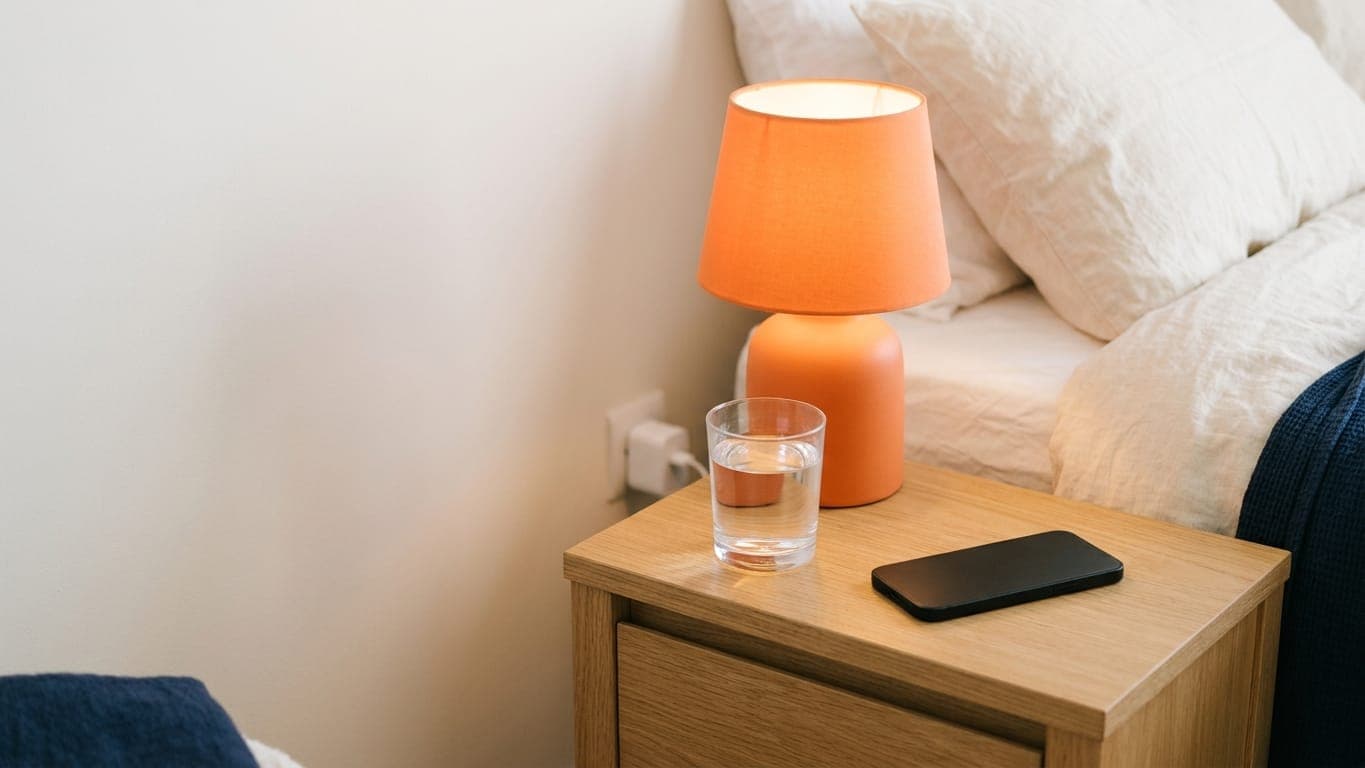
According to the NHS, insomnia often improves when daily sleep habits change. Wake up at the same time each day, only go to bed when tired, and wind down quietly during the hour before sleep. Avoid daytime naps, and cut out caffeine, alcohol, and nicotine at least 6 hours before bedtime. If these steps do not help or insomnia lasts months, consult a doctor.
What is insomnia and how long does it last?
The UK National Health Service (NHS) defines insomnia as regularly having problems sleeping. Symptoms include difficulty falling asleep, waking up multiple times during the night, waking up early without being able to get back to sleep, feeling unrefreshed upon waking, and struggling to concentrate during the day.
According to the NHS, insomnia lasting less than 3 months is categorized as short term insomnia. If it persists for 3 months or longer, it is considered chronic insomnia. The US National Heart, Lung, and Blood Institute (NHLBI) defines chronic insomnia as occurring at least 3 nights per week for 3 months or more. MedlinePlus notes that short term insomnia is widespread, often lasting a few days or weeks in response to workplace stress, family illness, or major life changes.
Common triggers identified by the NHS include psychological stress, anxiety, depression, noise, an uncomfortably hot or cold bedroom, alcohol, caffeine, nicotine, jet lag, and shift work.
What helps relieve insomnia?
The NHS insomnia guidance divides practical self-help habits into dos and don'ts:
Recommended actions:
- Go to bed only when you feel sleepy
- Wake up and get out of bed at the exact same time every day
- Start winding down at least 1 hour before bedtime
- Keep the bedroom quiet, dark, and comfortably cool
- Exercise regularly during the day
- Ensure your mattress, pillows, and bedding are comfortable
Habits to avoid:
- Do not consume caffeine, alcohol, or nicotine within 6 hours of bedtime
- Avoid eating large or heavy meals late at night
- Avoid vigorous physical exercise in the 4 hours before sleeping
- Do not watch television or use smartphones and tablets in bed
- Avoid daytime napping
- Never drive when feeling drowsy
- Do not sleep in late after a poor night
To establish these habits systematically, read our companion guide on sleep how to improve.
What helps when you cannot sleep at night?
Every Mind Matters from the NHS advises against forcing sleep. If you are still awake after about 20 minutes in bed, get up and engage in a calming activity in dim light, such as gentle yoga, reading, or listening to quiet music. Return to bed only when sleepiness returns.
Every Mind Matters also suggests:
- Writing down persistent worries or tomorrow's to-do list before bedtime
- Choosing warm decaffeinated milk or chamomile tea instead of caffeine
- Trying earplugs, an eye mask, or blackout blinds to eliminate sensory distractions
- Turning clocks away from view so you do not monitor passing minutes
This stimulus control approach, detailed by the NHLBI, reinforces the psychological association between bed and restful sleep.
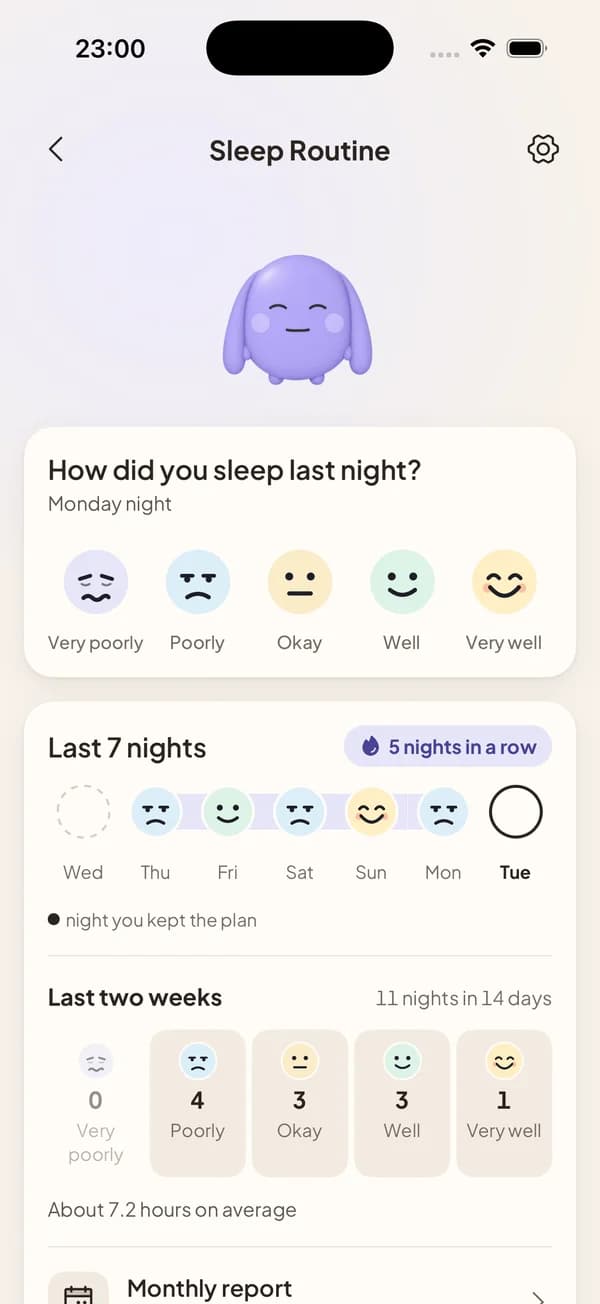
Sleep tracker
Rate last night each morning, keep a bedtime plan and see your last two weeks.
 Coming soonAndroid
 Scan with your phone camera to open the App Store.
How a healthcare professional can help
According to the NHS, a doctor will first evaluate potential physical or psychological contributors to insomnia. Cognitive behavioral therapy for insomnia (CBT-I) is widely recognized as the preferred first line intervention.
The NHLBI describes CBT-I as a 6 to 8 week structured treatment plan comprising:
- Cognitive therapy to address anxious thoughts about sleep
- Relaxation training and mindfulness techniques
- Sleep education on circadian rhythms
- Sleep restriction to match time in bed with actual sleep time
- Stimulus control therapy linking bed strictly to sleep
The NHS notes that physicians rarely prescribe sleeping tablets today, and when prescribed, they are limited to short courses of a few days or weeks due to tolerance risks. Always consult a healthcare provider before taking over-the-counter sleep aids.
Sleep
Rate last night each morning, keep a bedtime plan and see your last two weeks.
Your journal, mood, cycle and tracker records, including saved step counts, are stored on your device. When account backup is available and you are signed in, the app also sends an encrypted copy to our servers to restore and merge your records.
When to see a doctor
The NHS recommends consulting a healthcare provider if:
- Changing bedtime habits has not relieved your insomnia
- You have experienced severe sleep difficulties for months
- Daytime sleepiness significantly impairs your ability to work or drive safely
Every Mind Matters advises consulting a doctor if you suspect prescription medication is disrupting your sleep, or if perimenopause symptoms are waking you at night. The NHLBI notes that a physician may screen for obstructive sleep apnea. Never drive when feeling drowsy. If emotional distress feels overwhelming, seek immediate help. In the US call 911; in the UK call 999; in Europe call 112.
Frequently asked questions
How long does insomnia usually last?
Duration varies significantly. Occasional sleepless nights are normal. Short term insomnia typically resolves within a few days or weeks once the immediate stressor subsides. Insomnia lasting 3 months or more is chronic and warrants clinical medical evaluation.
How can insomnia be prevented?
The CDC emphasizes consistent sleep and wake hours, a cool and dark bedroom, screen free wind down routines, and avoiding late afternoon caffeine and evening alcohol. For advice on tracking options, read sleep tracker app.
Sources
- NHS: Insomnia
- NHS Every Mind Matters: Fall asleep faster and sleep better
- NHS Every Mind Matters: Sleep problems
- NHLBI: Insomnia
- NHLBI: Insomnia diagnosis
- NHLBI: Insomnia treatment
- MedlinePlus: Insomnia
- CDC: About sleep
Sleep tracker
Rate last night each morning, keep a bedtime plan and see your last two weeks.
Coming soonAndroidScan with your phone camera to open the App Store.