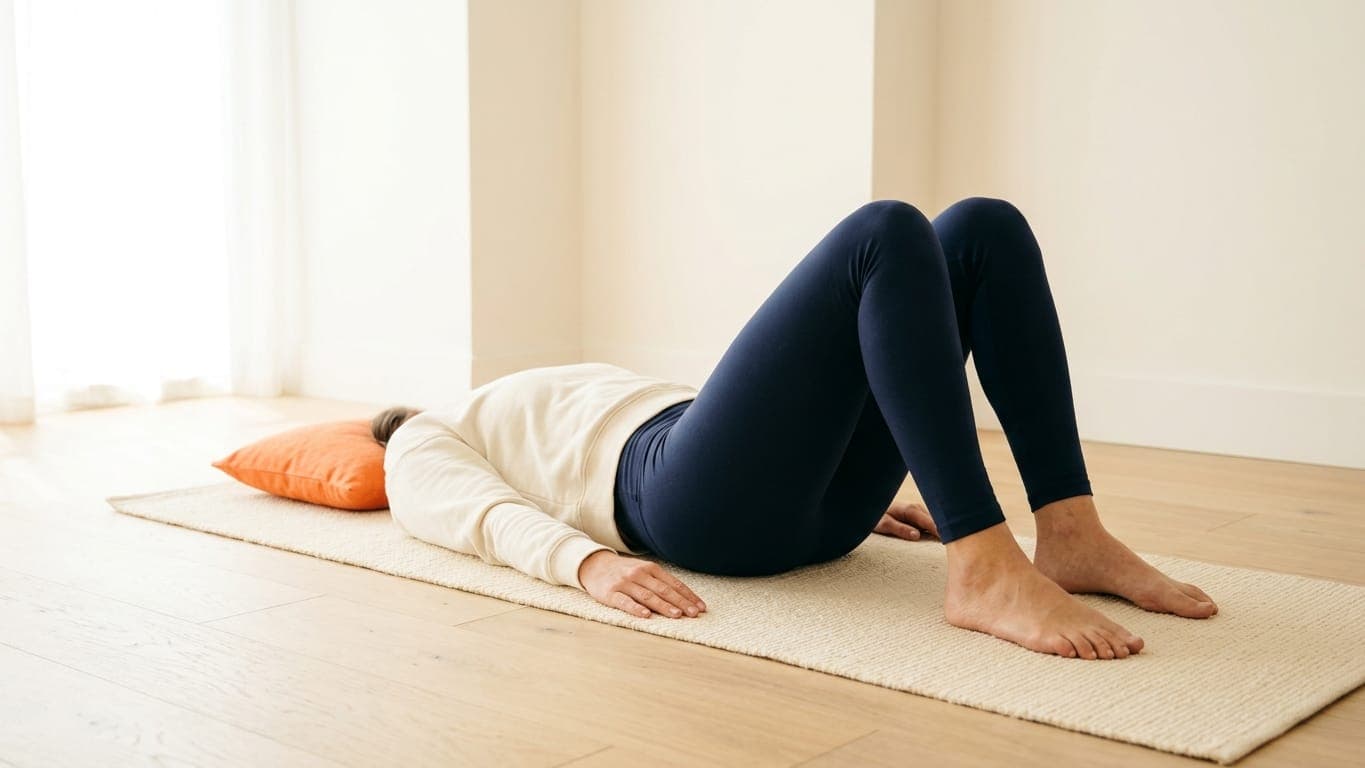
The pelvic floor is a sling of muscles spanning the base of the pelvis, from the pubic bone in front to the tailbone behind. It supports the bladder, bowel and uterus, and helps maintain bladder and bowel control. According to the NHS, pregnancy, childbirth, excess weight, chronic coughing and straining can weaken these muscles. Regular pelvic floor exercises help restore their strength.
What is the pelvic floor?
The pelvic floor is a specialized muscular structure located within the bony pelvis. According to North Bristol NHS Trust, these muscles extend from the pubic bone at the front of the body to the tailbone (coccyx) and sacrum at the back. Wye Valley NHS Trust describes these muscles as functioning like a supportive hammock that cradles and suspends the bladder, bowel, and uterus.
According to the UK National Health Service (NHS), the pelvic floor muscles wrap securely around the bladder neck and urethra, maintaining the closure mechanism that regulates the flow of urine. According to MedlinePlus, the health information portal of the US National Library of Medicine, these muscle layers sit directly beneath the uterus, bladder, and large intestine, providing foundational pelvic stability.
What do pelvic floor muscles do?
North Bristol NHS Trust outlines the primary physiological functions of the pelvic floor muscles as follows:
- Maintaining bladder and bowel continence, allowing you to reliably hold urine, gas, and stool
- Supporting the bladder, bowel, and uterus in their proper anatomical positions to prevent pelvic organ prolapse
- Enhancing sexual sensation and supporting healthy orgasmic function during sexual intercourse
- Assisting during the second stage of labor and childbirth
- Stabilizing the joints of the pelvis and lumbar spine alongside deep core muscles
According to the NHS, strengthening these muscle layers helps prevent and stop stress urinary incontinence, mitigates mild prolapse symptoms, and can significantly improve comfort and intimacy.
Why do pelvic floor muscles weaken?
According to the NHS and clinical guidance from North Bristol NHS Trust, several major factors can stretch, strain, or weaken the pelvic floor:
- Pregnancy and childbirth. The NHS notes that pelvic tissues can be stretched or injured during delivery, especially during vaginal births. According to Wye Valley NHS Trust, the substantial extra weight and hormonal softening throughout pregnancy place progressive strain on the pelvic floor.
- Carrying excess body weight. The NHS explains that elevated body weight increases chronic downward pressure on pelvic tissues, gradually stretching supporting ligaments and muscles.
- Constipation and chronic straining. Regularly pushing or straining to pass bowel movements causes repetitive downward forces that weaken the pelvic base.
- Persistent coughing. A chronic cough, often associated with smoking, asthma, or respiratory conditions, subjects the pelvic floor to repeated sudden pressure spikes.
- Heavy lifting. Heavy occupational or athletic lifting without proper bracing strains pelvic musculature.
- Aging and menopause. North Bristol NHS Trust highlights falling estrogen levels during perimenopause and menopause, which reduces tissue elasticity and muscle mass.
- Surgical procedures and systemic conditions. Pelvic surgeries such as hysterectomies or prostate operations, as well as neurological conditions including multiple sclerosis, stroke, and unmanaged diabetes, can compromise pelvic nerve and muscle function.
The NHS also notes that repetitive high impact jumping and intense abdominal crunches place excessive downward force on the pelvic floor, which can exacerbate urinary leakage in vulnerable individuals.
What happens when the pelvic floor weakens?
North Bristol NHS Trust emphasizes that pelvic floor training is especially important if you recognize any of the following signs:
- Leaking drops of urine when coughing, sneezing, laughing, or exercising (stress incontinence)
- Difficulty holding in intestinal gas or flatulence
- A sudden, overwhelming urge to urinate that results in leakage before reaching the toilet (urge incontinence)
- Being currently pregnant or having recently given birth
- Entering perimenopause or having passed through menopause
According to the NHS, feeling urinary leakage or experiencing a dragging sensation of heaviness between your vagina and rectum after childbirth indicates that your pelvic floor requires dedicated rehabilitation. The NHS lists heaviness, pressure, or a sensation of a bulge inside the vagina as common warning signs of pelvic organ prolapse.
Pelvic floor exercises
This tracker is not available in yuuvii 2.0.1. You can read articles on this topic here.
What can you do to protect your pelvic floor?
The NHS and North Bristol NHS Trust recommend the following preventive steps:
- Perform pelvic floor exercises every day. We explain the complete sequence in how to do Kegel exercises.
- Prevent constipation by eating a fiber-rich diet and staying active.
- Maintain a healthy body weight to reduce resting intra-abdominal pressure.
- Seek medical care for persistent coughs, and seek support to quit smoking if applicable.
- Avoid heavy lifting where possible. When lifting is unavoidable, engage and squeeze your pelvic floor muscles before and throughout the lift.
- Practice "the knack": consciously squeeze your pelvic floor muscles immediately before coughing, sneezing, or laughing.
- Balance high impact sports like running with low impact core conditioning such as Pilates or gentle swimming.
Pelvic floor
This tracker is not available in yuuvii 2.0.1. You can read articles on this topic here.
When should you see a doctor?
The NHS strongly recommends speaking with a general practitioner about any degree of urinary or fecal incontinence, emphasizing that these issues are common and treatable. The NHS advises booking a clinical consultation if you notice:
- A noticeable lump, bulge, or swelling inside or protruding from the vagina
- A persistent dragging sensation of heaviness or aching pressure in your lower abdomen or pelvis
- Discomfort, numbness, or pain during sexual intercourse
- A feeling that your bladder never completely empties, or difficulty with bowel movements
According to the NHS, you can consult your healthcare provider at any point after childbirth if pelvic symptoms concern you, and your 6 to 8 week postnatal review is an ideal time to discuss recovery. North Bristol NHS Trust advises seeking referral to a specialist pelvic health physiotherapist if you struggle to locate the correct muscles or symptoms do not improve. If you ever suspect an acute medical emergency, call 911 in the US, 999 in the UK, or 112 in Europe.
Frequently asked questions
How to strengthen pelvic floor muscles?
According to the NHS, pelvic floor muscles are strengthened through targeted Kegel exercises involving structured contraction and relaxation cycles. An effective program combines short, rapid contractions with longer endurance holds. A physiotherapist or midwife can tailor repetitions to your baseline strength.
When can you do Kegel exercises after childbirth?
According to Wye Valley NHS Trust, you can resume gentle pelvic floor exercises as soon as you feel comfortable following childbirth. Somerset NHS Foundation Trust notes that if a urinary catheter was placed during delivery, you should wait until the catheter is removed before beginning contractions.
Sources
- North Bristol NHS Trust: Pelvic floor exercises for women
- NHS: Urinary incontinence, causes
- NHS: Urinary incontinence, non-surgical treatment
- NHS: 10 ways to stop leaks
- NHS: Pelvic organ prolapse
- NHS: Your post-pregnancy body
- NHS: Urinary incontinence
- MedlinePlus: Kegel exercises, self-care
- Wye Valley NHS Trust: Pelvic floor health
- Somerset NHS Foundation Trust: Pelvic floor exercises
Pelvic floor exercises
This tracker is not available in yuuvii 2.0.1. You can read articles on this topic here.