
According to the NHS, walking is simple, free, and one of the easiest ways to become more active and support healthy weight management. Brisk walking builds cardiovascular stamina, burns surplus calories, and strengthens heart function. Regular physical activity reduces risks of coronary heart disease, stroke, type 2 diabetes, and depression. Even a 10 minute daily brisk walk contributes to your weekly goals.
Health benefits of regular walking
According to the UK National Health Service (NHS), walking is often overlooked as a form of exercise, but brisk walking develops stamina, expends calories, and supports cardiovascular fitness. The NHS categorizes brisk walking as moderate intensity physical activity.
The NHS reports that individuals engaging in regular physical exercise have a significantly reduced risk of:
- Coronary heart disease and stroke
- Type 2 diabetes
- Bowel cancer
- Breast cancer in women
- Premature mortality
- Osteoarthritis
- Hip fractures and fall related injuries in older adults
- Depression
- Dementia, including Alzheimer disease
According to NHS data, regular exercise can reduce the risk of premature death by up to 30 percent.
Mental health and sleep benefits
The benefits of regular movement extend well beyond physical conditioning. The NHS notes that regular physical activity boosts self-esteem, elevates mood, enhances sleep quality, and increases energy levels, while mitigating daily stress. The NHS Better Health campaign highlights that a daily brisk walk lifts mood and makes routine tasks easier.
The World Health Organization (WHO) similarly links regular physical activity in adults to improved mental health, cognitive function, and restorative sleep.
Why physical activity matters
According to the WHO, individuals who are insufficiently active face a 20 to 30 percent increased risk of all cause mortality compared to active individuals. Approximately 31 percent of adults worldwide (about 1.8 billion people) do not meet recommended physical activity levels.
The WHO links regular exercise to reduced risks of:
- All cause and cardiovascular mortality
- Hypertension
- Multiple site specific cancers
- Type 2 diabetes
- Falls and mobility limitations
The NHS notes that prolonged sitting and sedentary behavior carry independent health risks. Even if you achieve your weekly exercise targets, spending the rest of your day sitting increases metabolic vulnerabilities.
Fitting daily steps into your routine
One great advantage of walking is how easily it integrates into daily life. The WHO highlights walking as one of the most practical forms of activity. The NHS recommends practical habits to increase daily steps:
- Walking part of your commute to work or school
- Walking to local shops instead of driving
- Choosing stairs over elevators and escalators
- Parking further away or getting off transit one stop earlier
- Walking with family, coworkers, or friends after meals
- Joining a local walking group for social motivation
Comfortable shoes that provide adequate arch support and prevent blisters are all you need to start.
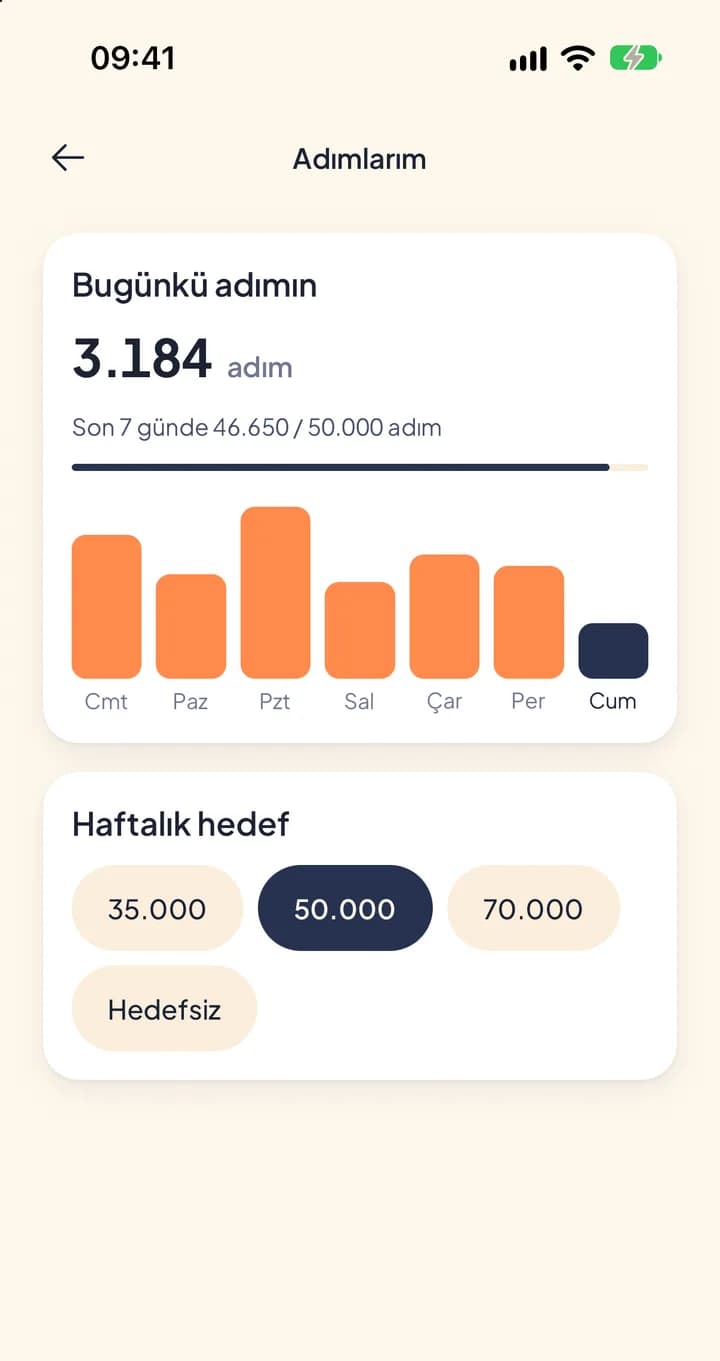
Step counter
Today's steps from your iPhone's motion sensor, with a weekly goal.
 Coming soonAndroid
 Scan with your phone camera to open the App Store.
Understanding brisk walking
The NHS defines brisk walking as walking at approximately 3 miles per hour (about 4.8 km/h). This is noticeably quicker than a casual stroll. You can evaluate your pace with the talk test: if you can talk normally but cannot sing, you are walking briskly.
You do not need hours of dedicated gym time. According to the NHS, a brisk 10 minute daily walk offers tangible health benefits and counts directly toward your weekly 150 minute target. For details on guidelines, see steps a day.
Walking
Today's steps from your iPhone's motion sensor, with a weekly goal.
Your journal, mood, cycle and tracker records, including saved step counts, are stored on your device. When account backup is available and you are signed in, the app also sends an encrypted copy to our servers to restore and merge your records.
When to consult a physician
The NHS advises speaking with a doctor before beginning a new exercise program if you have been sedentary for a long time, have an underlying heart condition, or experience joint pain. Start slowly and build distance gradually. If joint stiffness is an issue, low impact activities like swimming or water aerobics can be helpful alternatives.
Seek emergency medical attention if you experience severe symptoms like chest pain. In the US call 911; in the UK call 999; in Europe call 112:
- Sudden, severe, or persistent chest pressure or tightness
- Pain radiating into your arms, neck, jaw, back, or stomach
- Chest discomfort accompanied by shortness of breath, dizziness, sweating, or nausea
Frequently asked questions
Does walking help heart health?
The NHS emphasizes that brisk walking directly enhances cardiovascular health and reduces the risks of coronary heart disease and stroke.
Can walking help manage blood pressure?
The WHO links regular physical activity with a reduced risk of hypertension. If you already have elevated blood pressure, consult your doctor regarding safe exercise parameters.
Sources
- NHS: Walking for health
- NHS: Benefits of exercise
- NHS Better Health: Get active
- NHS: Physical activity guidelines for adults aged 19 to 64
- WHO: Physical activity
- NHS: Chest pain
Step counter
Today's steps from your iPhone's motion sensor, with a weekly goal.
Coming soonAndroidScan with your phone camera to open the App Store.