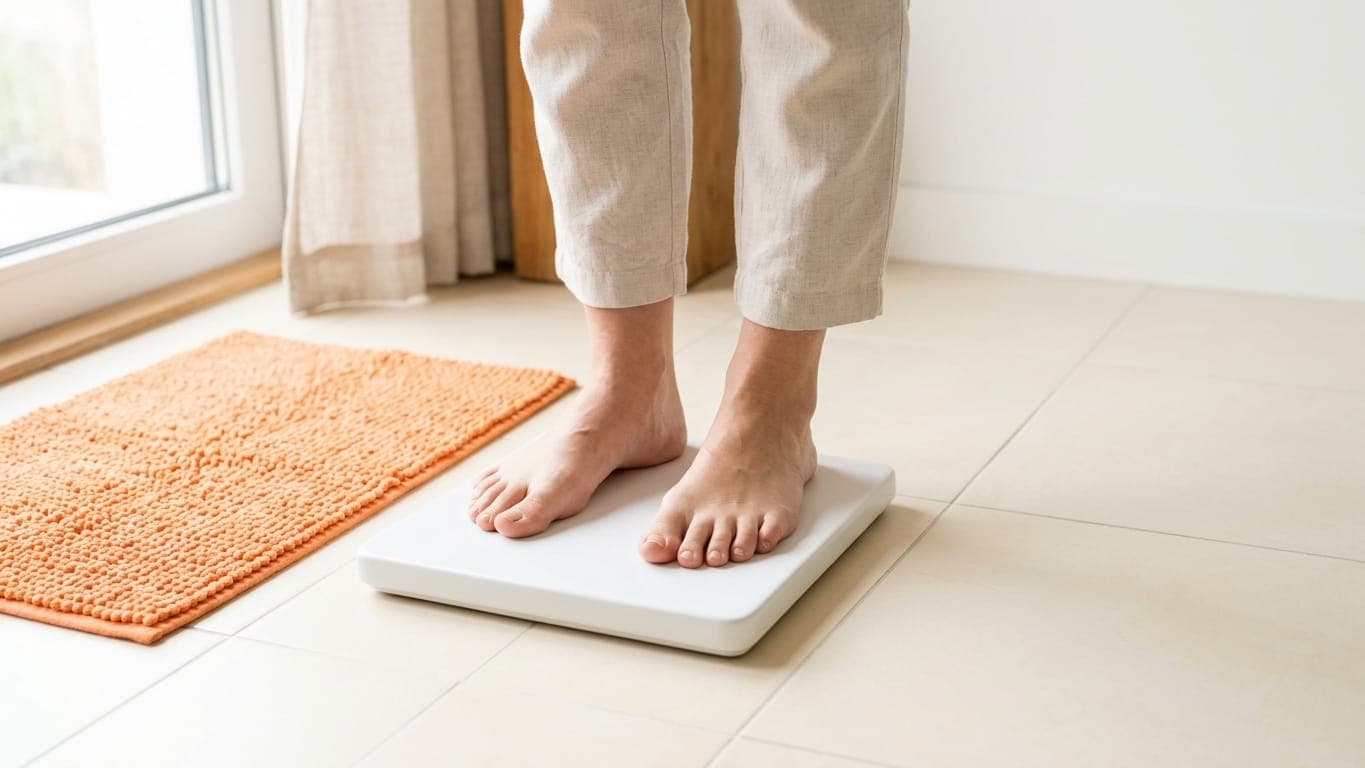
According to the NHS, it is completely normal for weight loss to slow down or temporarily pause. As you lose weight, your body adapts to your routine, expending fewer calories to perform the same daily activities. Another frequent reason is gradual portion creep over time. The NHS suggests increasing activity, trying new physical exercises, and adding resistance training. If a plateau persists, consult a doctor.
What is a weight loss plateau?
The UK National Health Service (NHS) weight loss guide defines a weight loss plateau as a temporary period where weight stalls despite adhering to a healthy diet and exercise plan. The NHS emphasizes that plateaus are extremely common and expected during any extended weight management journey.
As you lose mass, your metabolic rate adjusts. Your body adapts to the ongoing regimen and requires fewer calories to perform daily movement. A pause in weight reduction is usually temporary and does not mean your efforts have failed.
Measurement factors also play a role. The NHS notes that you may continue losing body fat while temporary water retention keeps the scale unchanged. NHS England emphasizes weighing at the same time of day under identical conditions. Details can be found in how often should I track my weight.
Why weight loss slows down
According to the NHS, numerous overlapping variables influence ongoing weight management. Nutrition habits, sleep duration, physical activity, and stress all affect metabolic regulation. The US Centers for Disease Control and Prevention (CDC) highlights that medications, underlying health conditions, genetics, hormones, age, and environment all impact weight maintenance.
| Contributing factor | Guidance from health authorities |
|---|---|
| Metabolic adaptation | NHS: the body adapts to lower mass, expending fewer calories for the same movements |
| Portion creep | NHS: portion sizes often gradually expand over time, slowly increasing calorie intake |
| Inadequate sleep | NHS: poor sleep makes weight regulation harder, increasing cravings for calorie dense snacks and leaving you too tired for exercise |
| Stagnant workout intensity | NHS: muscles adapt quickly to repetitive exercise routines |
| Health conditions and medications | NHS: underactive thyroid, PCOS, and medications like certain beta blockers or steroids can affect weight |
If you suspect medication side effects or an underlying metabolic condition is hindering progress, the NHS advises discussing your concerns with a doctor.
Common dietary causes of stalled progress
According to the NHS, the most frequent reason for stalled weight loss is a subtle, unconscious increase in calorie consumption over time. Reviewing portion sizes and checking nutritional labels helps identify where surplus calories may have returned.
The NHS cautions against severe crash dieting or skipping meals, which often leads to compensatory snacking and metabolic slowdown. The recommended target pace remains 0.5 to 1 kg (1 to 2 pounds) per week. The CDC notes that individuals who achieve gradual, steady weight reduction are far more likely to maintain results long term.
Practical strategies to overcome a weight plateau
The NHS weight loss plan recommends these practical actions to work through a plateau:
- Practice patience. If your energy expenditure remains above your intake, weight loss will resume over time.
- Look beyond the scale. Recognize improvements in energy, sleep, fitness, and how your clothes fit.
- Audit your portions. Verify whether meal sizes have expanded since the start of your plan.
- Increase physical movement. Regular physical activity is one of the most reliable ways to maintain momentum. Modestly increasing pace or workout duration can stimulate renewed progress.
- Introduce new activities. Trying different forms of exercise engages new muscle groups and revitalizes motivation.
- Incorporate resistance training. The NHS notes that muscle building activities, such as bodyweight exercises or weight training, boost metabolic expenditure.
- Seek social support. Revisit your initial motivations and seek encouragement from friends, family, or support groups.
- Check your BMI. Review whether your weight has already reached a healthy range.
The CDC emphasizes that temporary setbacks and plateaus are expected. Stay focused on your long term habits rather than brief fluctuations.
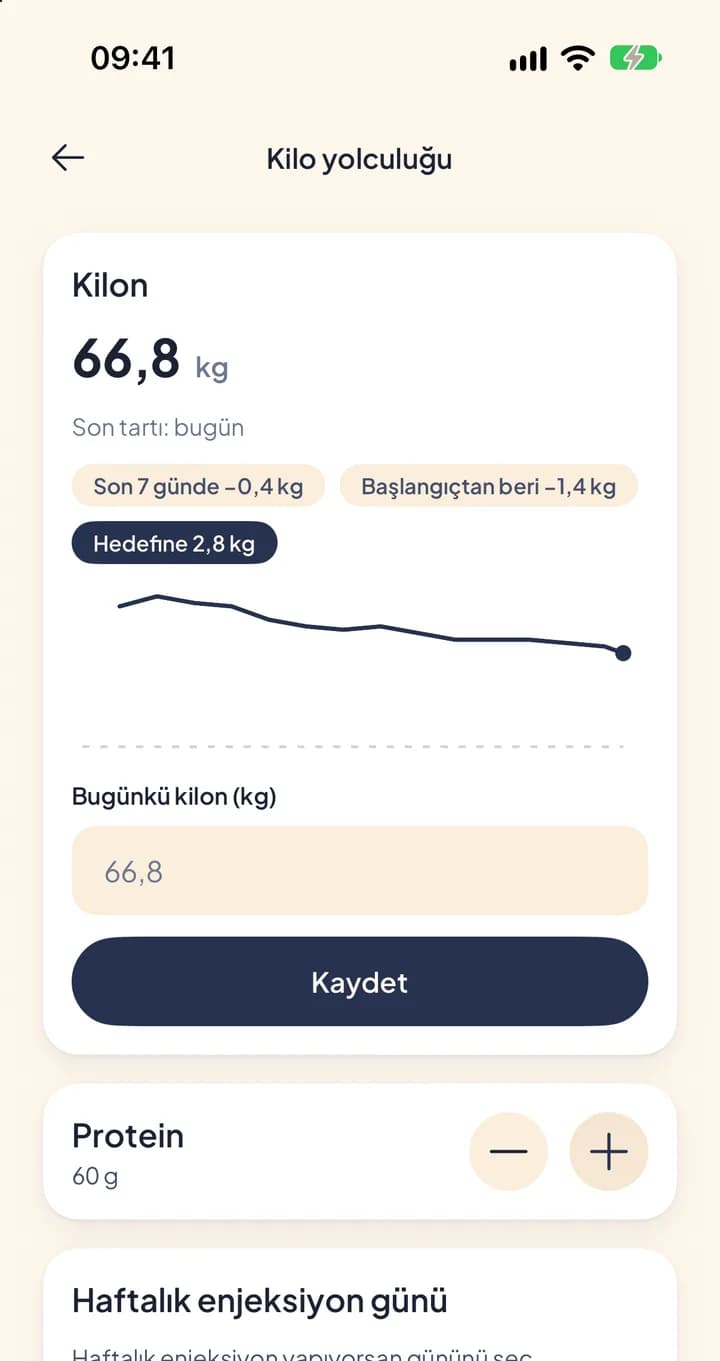
Weight tracker
Log weigh-ins, set your own goal and count water and protein on the same screen.
 Coming soonAndroid
 Scan with your phone camera to open the App Store.
Weight
Log weigh-ins, set your own goal and count water and protein on the same screen.
Your journal, mood, cycle and tracker records, including saved step counts, are stored on your device. When account backup is available and you are signed in, the app also sends an encrypted copy to our servers to restore and merge your records.
When to seek medical advice
The NHS notes that a physician can perform blood tests to rule out underlying hormonal or metabolic conditions that contribute to persistent weight stalls. Consult a doctor if your BMI is in the overweight or obesity range and:
- You need clinical guidance to establish an effective plan
- Your waist circumference is greater than half your height
- You have prediabetes, diabetes, high blood pressure, sleep apnea, joint pain, or cardiovascular disease
- You have a history of disordered eating
The NHS advises talking to a doctor before changing your habits if you have a health condition, follow a special diet for medical reasons, or have or have had an eating disorder.
Frequently asked questions
When does a weight loss plateau typically happen?
Health authorities do not pinpoint an exact week, as plateaus occur at different stages for each individual. A stall of a few weeks is normal. If a plateau lasts for months without explanation, consult your healthcare provider.
Why is it difficult to lose weight despite exercising?
Metabolic adaptation, uncounted calories, reduced non-exercise movement, or medication side effects can offset exercise gains. The NHS notes that many people experience difficulty and that consulting a professional can help clarify underlying factors. See weight tracker app for guidance on starting an accurate log.
Sources
- NHS: Losing weight, getting started, Week 11 (Weight loss plateau)
- NHS Better Health: How to lose weight
- NHS: Overweight and obesity in adults
- NHS: Tips to help you lose weight
- NHS England: How to record your weight
- CDC: Steps for losing weight
Weight tracker
Log weigh-ins, set your own goal and count water and protein on the same screen.
Coming soonAndroidScan with your phone camera to open the App Store.