
According to the NHS, when fluid intake is too low and dehydration develops, key symptoms include thirst and dark, strong smelling urine. You may urinate less frequently and experience headache, dizziness, fatigue, dry mouth, chapped lips, and sunken eyes. Infants, young children, and older adults face higher risks. If severe confusion or breathing difficulty occurs, call emergency services immediately.
What are the symptoms of low water intake?
According to the UK National Health Service (NHS), dehydration occurs when the body loses more fluids than it takes in. If left unaddressed, dehydration can become a serious medical concern. The NHS identifies key signs in adults and children:
- Sensation of thirst
- Dark yellow, strong smelling urine
- Urinating less frequently than usual
- Lightheadedness or feeling dizzy
- Persistent fatigue and low energy
- Dry mouth, lips, and tongue
- Sunken appearance around the eyes
Differentiating mild and severe dehydration
MedlinePlus, published by the US National Library of Medicine, classifies dehydration into mild, moderate, or severe categories based on fluid deficit. Severe dehydration constitutes a life threatening medical emergency.
| Mild to moderate dehydration | Severe dehydration |
|---|---|
| Thirst | Extreme thirst or inability to urinate; very dark amber urine |
| Dry or sticky mouth | Dry, shriveled skin with poor elasticity |
| Infrequent urination | Irritability, severe confusion, or delirium |
| Dark yellow urine | Dizziness, fainting, or inability to stand |
| Dry, cool skin | Rapid heart rate and rapid, shallow breathing |
| Headache and muscle cramps | Sunken eyes, extreme lethargy, or unconsciousness |
Symptoms in infants and young children
The NHS notes that babies and young children are especially vulnerable to rapid fluid loss. Monitor for these warning signs:
- Sunken soft spot (fontanelle) on the top of the head
- Few or no tears when crying
- Significantly fewer wet diapers than usual
- Unusual sleepiness, lethargy, or persistent irritability
The NHS recommends continuing breastfeeding or formula feeding, offering smaller amounts more frequently. Avoid giving fruit juices or sugary drinks to young children, as these can aggravate diarrhea and fluid loss.
What causes dehydration?
According to the NHS and CDC, fluid requirements rise and risk of dehydration increases in these situations:
- Having diabetes
- Experiencing vomiting or diarrhea
- Prolonged exposure to hot sun or high temperatures
- Consuming high amounts of alcohol
- Heavy sweating during vigorous exercise
- Running a high fever
- Taking diuretic medications
- Being dependent on others for access to fluids
Public health authorities emphasize that the thirst sensation naturally diminishes in adults aged 65 and older, meaning older adults must drink fluids regularly before feeling thirsty.
What to do when you notice dehydration
The NHS advises rehydrating promptly when mild dehydration symptoms appear. If vomiting makes drinking difficult, take frequent small sips rather than gulping large amounts. Avoid alcoholic and heavily caffeinated beverages, which promote fluid loss.
If fluids are lost through vomiting or diarrhea, oral rehydration solutions help replace essential electrolytes, salts, and sugars. Ask a pharmacist which formulation is appropriate for you or your child.
To prevent fluid deficits, the NHS suggests drinking enough throughout the day so that your urine remains pale and clear. Learn more about daily fluid targets in how much water should I drink a day.
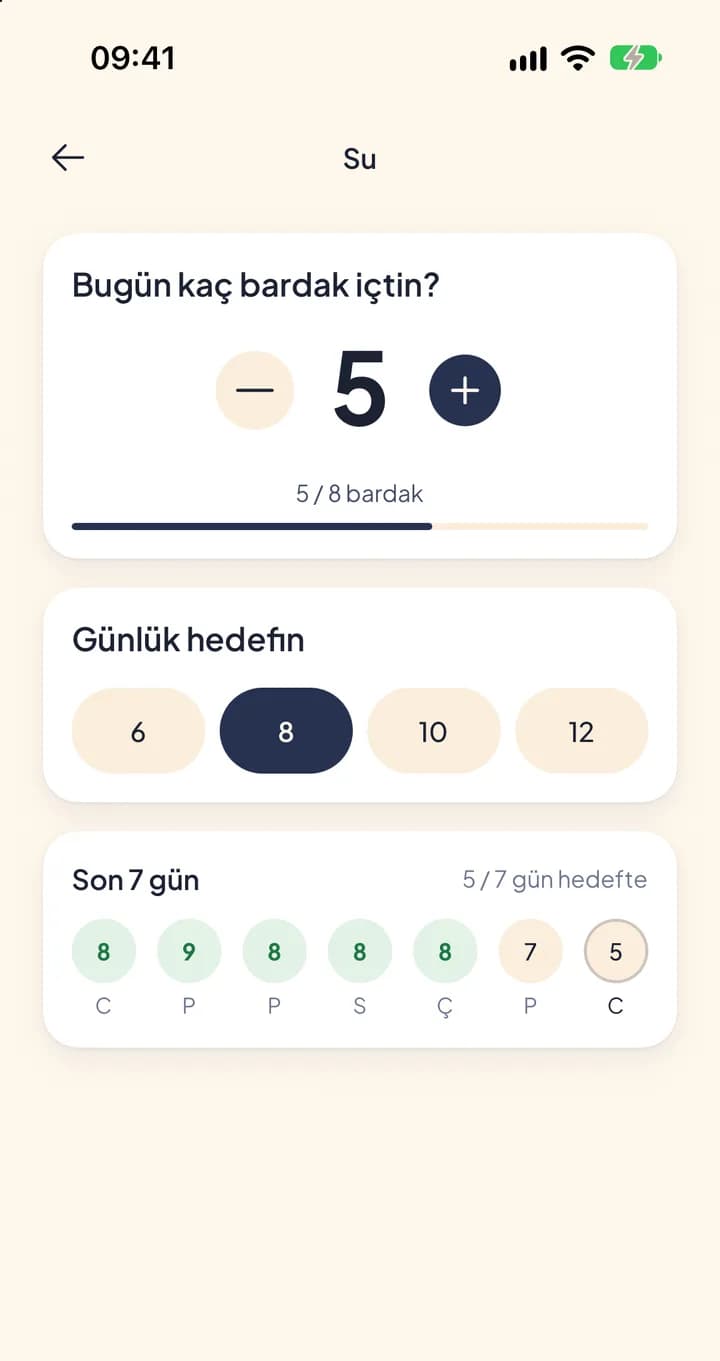
Water tracker
Count glasses through the day against a goal you pick.
 Coming soonAndroid
 Scan with your phone camera to open the App Store.
Hydration
Count glasses through the day against a goal you pick.
Your journal, mood, cycle and tracker records, including saved step counts, are stored on your device. When account backup is available and you are signed in, the app also sends an encrypted copy to our servers to restore and merge your records.
When to seek medical attention
The NHS recommends contacting a healthcare professional promptly if you or your child display:
- Extreme lethargy, drowsiness, or difficulty waking up
- Persistent dizziness upon standing
- Very dark urine, producing no urine, or fewer wet diapers in infants
- Rapid breathing or abnormally high heart rate
- Sunken eyes or sunken fontanelle in babies
- Absence of tears when crying
Seek emergency medical help immediately if shock symptoms appear. In the US call 911; in the UK call 999; in Europe call 112:
- Blue, pale, grey, or blotchy skin, lips, or tongue
- Cold, clammy skin
- Severe difficulty breathing or shallow, rapid gasping
- Confusion, disorientation, or loss of consciousness
The NHS advises not driving yourself to A&E in this situation. MedlinePlus also advises calling for emergency help if someone loses consciousness, has a seizure, or has a fever above 102°F (38.9°C).
Frequently asked questions
Why do some people rarely feel thirsty?
Health authorities note that the sensation of thirst naturally declines with age. Furthermore, when both water and electrolytes like sodium are lost, thirst triggers can be blunted. Checking urine color offers a practical secondary indicator.
Can inadequate fluid intake cause fatigue?
The NHS lists fatigue as a primary symptom of dehydration. If you experience sudden, unexplained, or severe exhaustion alongside dehydration signs, consult a doctor.
Sources
- NHS: Dehydration
- MedlinePlus: Dehydration
- CDC: About Water and Healthier Drinks
- Turkish Ministry of Health: Healthy fluid consumption in summer
Water tracker
Count glasses through the day against a goal you pick.
Coming soonAndroidScan with your phone camera to open the App Store.