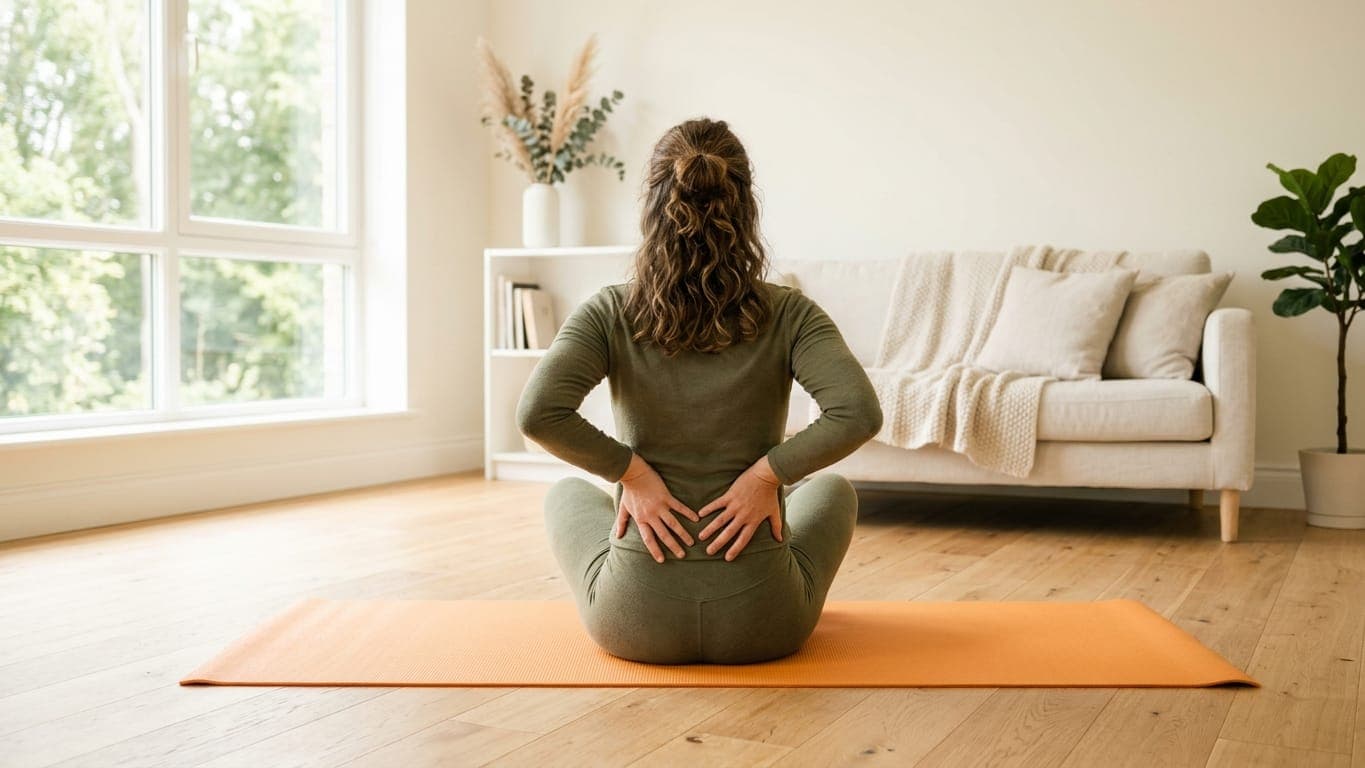
According to the NHS, back pain usually improves on its own within a few weeks. Staying active and continuing daily tasks helps speed up your recovery. Use an ice pack wrapped in a towel for swelling, or a hot water bottle for muscle tension. Gentle stretching, walking, swimming and back exercises can also help. Extended bed rest is not recommended.
What causes back pain?
According to the UK National Health Service (NHS), back pain, especially in the lower back, is very common. Most of the time it eases within a few weeks. Sometimes it lasts longer or recurs periodically.
The NHS points out that back pain has many possible causes, though a single cause is not always identified:
- Common cause: an injury such as a muscle strain or sprain.
- Sometimes: a slipped disc, sciatica caused by a pinched nerve, or an underlying condition like ankylosing spondylitis.
- Very rarely: a serious issue such as a fracture, infection or cancer.
If you notice any red flag symptoms or pain persists beyond several weeks, consult a doctor.
How does back pain improve?
The NHS notes that back pain typically diminishes naturally within weeks. Taking active self-care steps during this period supports faster healing. The primary advice is to keep moving and gently continue daily routines. Long periods of bed rest are discouraged because immobility stiffens muscles.
If considering pain relievers, consult a pharmacist or doctor to find what suits your health profile, as not all medications suit everyone.
What helps back pain at home?
The NHS recommends these practical measures:
| Action | NHS guidance |
|---|---|
| Staying active | Continue everyday activities as normally as possible |
| Cold therapy | An ice pack wrapped in a towel to reduce swelling and sharp pain |
| Heat therapy | A hot water bottle wrapped in a towel to ease stiffness and spasms |
| Gentle stretching | Exercises designed for lower back flexibility; stop if pain increases |
| Walking or swimming | Low-impact movements help maintain spinal mobility |
| Bed rest | Not advised for prolonged periods |
If back exercises increase your discomfort, the NHS advises stopping and discussing modifications with a healthcare provider.
General pain management tips:
- Breathe slowly and deeply; avoid rapid shallow breaths during discomfort.
- Keep regular sleep hours: wake up and sleep at consistent times daily.
- Practice daily relaxation techniques to ease long-term muscle tension.
When back pain persists
If pain is severe or does not improve over several weeks, a doctor may prescribe medication or recommend further interventions:
- Physiotherapy and group rehabilitation exercises
- Manual therapy from a trained specialist to gently mobilize joints and tissues
- Cognitive behavioral approaches to manage persistent pain challenges
- Specialized nerve procedures for prolonged, chronic discomfort
Surgery is considered only when severe nerve compression occurs and conservative care does not help.
Pain tracker
This tracker is not available in yuuvii 2.0.1. You can read articles on this topic here.
Pain
This tracker is not available in yuuvii 2.0.1. You can read articles on this topic here.
When to seek urgent medical care
Consult a doctor if your back pain:
- Does not improve after a few weeks of home care
- Prevents you from carrying out basic daily activities
- Causes severe worry or feels unmanageable
- Is accompanied by unintentional weight loss
- Involves swelling or a change in back shape
- Worsens at night or does not ease with rest
- Gets worse when you sneeze, cough or poo
- Is in the upper back, between the shoulder blades, rather than the lower back
The NHS says to get medical help the same day if back pain started suddenly and is severe, is getting worse quickly, or comes with a high temperature, chills or feeling generally unwell.
Call 911 in the US, 999 in the UK or 112 in Europe, or go to an emergency department, if you have back pain and:
- Pain, tingling, weakness or numbness in both legs
- Loss of feeling around your genitals or buttocks
- Difficulty peeing, or loss of bladder or bowel control
- Changes in sexual sensation, or problems getting or keeping an erection
- Chest pain
- Pain that started after a serious accident
The NHS says not to drive yourself. Ask someone to take you or call an ambulance, and bring any medicines you take.
Frequently asked questions
How many days does back pain usually last?
According to the NHS, back pain typically improves within a few weeks. If symptoms persist longer without improvement, consult your family physician.
When is back pain dangerous?
Back pain requires urgent attention if paired with numbness in both legs, bowel or bladder incontinence, or numbness around the genital region.
Sources
Pain tracker
This tracker is not available in yuuvii 2.0.1. You can read articles on this topic here.